Health
The Benefits Of Confidential Mental Health Support For Students

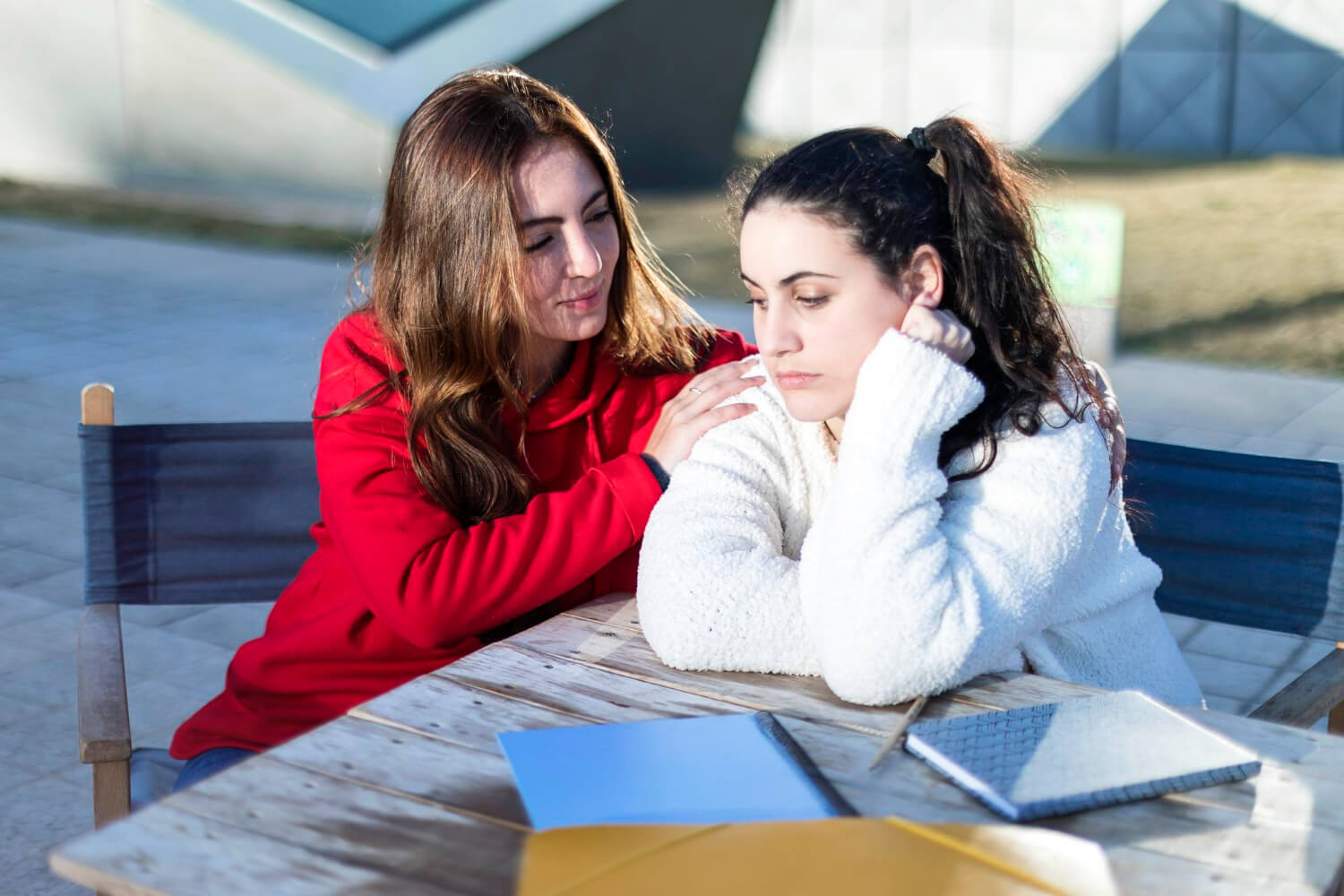
The pressures of academic life can feel overwhelming, especially for students navigating challenges inside and outside the classroom. Deadlines, exams, social pressures, and the transition to greater independence create a perfect storm of stressors. For some, these challenges grow into serious mental health concerns. Seeking help is essential, but many students hesitate due to fear of being judged or having their personal issues exposed. This is where confidential mental health support becomes vital.
Confidential services encourage students to seek help without fear. Knowing what they share will remain private can make all the difference in whether they decide to speak up. When done effectively, confidential mental health support not only reduces stigma but also aids academic success and fosters overall well-being. It matters and how educational institutions can provide such services effectively.
Reducing the Stigma Around Mental Health
Despite progress in breaking down mental health taboos, many students still feel shame about seeking help. They worry that admitting they’re struggling might make them appear weak, irresponsible, or incapable. These fears can be amplified in competitive academic environments where the pressure to perform is constant.
Confidential mental health support helps students overcome these barriers. Knowing their struggles will remain private enables them to open up and seek assistance without apprehension. This creates a safe and judgment-free environment where students can express their concerns honestly. For example, universities that guarantee confidentiality through on-campus counseling centers often see increased utilization of these services. Students feel safer discussing sensitive topics, from depression and anxiety to personal crises or burnout.
Additionally, when institutions emphasize confidentiality, they help normalize conversations about mental health. Seeing their peers access support in private can encourage more students to check in with their well-being, promoting a culture of understanding and acceptance.
Boosting Academic Performance
Mental health and academic performance are deeply connected. When students struggle emotionally, their ability to focus, retain information, and meet deadlines often suffers. Confidential mental health support acts as a lifeline, allowing students to address these challenges before they escalate and impact their education.
For example, if a student is dealing with social anxiety, they may avoid group projects or class participation entirely. They can work on coping strategies and self-confidence with access to confidential counseling, enabling better engagement. Similarly, students grappling with severe stress or depression can develop time management skills or explore mindfulness techniques that help them stay on top of academic demands.
Furthermore, faculty and staff members who are informed about the availability of such services can play a supportive role. If they notice a student struggling, they can gently refer them to resources, reassured that confidentiality will protect the student’s privacy. This proactive approach can prevent small challenges from snowballing into serious academic derailments.
Promoting Emotional Well-Being
Beyond academics, confidential support services nurture students’ overall well-being. College years, in particular, are a time of immense personal growth. Still, they can also bring feelings of isolation, self-doubt, and identity confusion. Without the right resources, these struggles can take a toll on students’ mental health.
Confidential support allows students to deal with these emotions constructively. Having a professional to talk to, they gain tools to manage stress, regulate emotions, and build resilience. This empowerment leads not only to happier students but also healthier campuses.
For instance, group therapy options that maintain strict confidentiality can be especially beneficial. These provide students with a sense of community without compromising privacy, showing them they’re not alone in their struggles. Whether learning to balance academic responsibilities or working through personal issues, students knowing they have a private place to turn to makes all the difference.
How Schools and Universities Can Implement Confidential Support

To effectively offer confidential mental health support, institutions need a multi-layered approach. Here are some key strategies schools and universities can adopt to ensure these services are effective and accessible:
On-Campus Counseling Centers
Providing dedicated counseling spaces on campus is a strong starting point. These centers should employ licensed professionals and guarantee strict confidentiality. Advertisements and outreach efforts should reinforce the message that students’ information will remain private, building trust from the outset.
Anonymous Hotlines and Online Chat Services
Not all students feel comfortable walking into an office, especially in smaller schools where privacy may feel more difficult to maintain. Anonymous hotlines and virtual counseling sessions offer an alternative. These services allow students to seek help discreetly from anywhere, even from the privacy of their dorm room.
Staff Training
Faculty and support staff should receive training to identify signs of distress and guide students toward confidential services. They must stress the privacy offered in these services to alleviate fears.
Peer Support Programs
Peer-led programs can also be extremely effective, provided they operate under clear confidentiality guidelines. Students often feel more comfortable discussing certain issues with peers who may better understand their experiences.
Clear Communication About Policies
Students need assurance that their personal information won’t be shared without consent. Schools should have transparent confidentiality policies and make these easily accessible to avoid confusion or mistrust.
Regular Mental Health Campaigns

Boston, MA – 4/4/2019 – Student life on the MCPHS Boston campus. (Ian MacLellan for MCPHS)
Hosting workshops, panel discussions, and mental health days raises awareness and normalizes seeking help. Schools can use these events to highlight the availability and confidentiality of their support services.
A Path Toward Healthier Campuses
When schools and universities prioritize confidential mental health support, they empower students to address challenges early, build resilience, and unlock their full potential. More than just a helpful service; it’s a commitment to creating environments where students feel safe, supported, and understood.
Confidential support helps reduce stigma and creates a ripple effect of positivity across academic settings. Students who receive the care they need are more likely to thrive emotionally, socially, and academically. By investing in these services, institutions become partners in their student’s success—not just in the classroom but in life.

Modern health trends continue to evolve as people look for smarter, more informed ways to support their well-being, manage stress, and maintain long-term balance in busy lifestyles. From improved awareness of mental health to interest in science-based wellness approaches, today’s conversations about health are more focused on prevention, smarter choices, and understanding how the body functions. With access to more research, education, and technology than ever before, individuals are exploring new ideas that may help them live healthier, stronger, and more resilient lives.
Science Innovation, and Modern Health Discussions
Science, innovation, and modern health discussions are constantly evolving as people become more curious about how the body functions and how research can contribute to better understanding overall well-being. Many conversations today focus on smarter lifestyle choices, hormone health, stress management, recovery strategies, and scientific developments that may influence future wellness approaches. In various research communities, you may occasionally come across terms like hcg peptide for sale, usually mentioned in the context of laboratory studies and scientific exploration, not everyday wellness use. These discussions highlight how science continues to investigate different biological processes while encouraging individuals to stay informed, responsible, and guided by credible information when learning about modern health trends and innovative research areas.
Understanding How Lifestyle Choices Shape Well-Being
Lifestyle choices play a powerful role in shaping overall well-being, influencing everything from daily energy levels to long-term health stability. Factors such as balanced nutrition, consistent physical activity, quality sleep, hydration, stress management, and emotional health all contribute to how the body and mind function over time. Modern life often brings long working hours, digital distractions, and constant responsibilities, which can gradually affect both physical and mental resilience if healthy habits are ignored. Making intentional choices, setting realistic routines, and listening to the body’s signals help support strength, focus, and stability. When individuals prioritize healthier lifestyle decisions, they build a stronger foundation for better performance, improved mood, sustainable energy, and a greater sense of balance in everyday life.
Balancing Physical Health, Energy, and Daily Performance
Balancing physical health, energy, and daily performance is essential in a world where many people juggle demanding work, personal responsibilities, and constant mental engagement. When the body is supported with proper nutrition, movement, hydration, and quality rest, it can maintain strength and stamina needed for everyday tasks. At the same time, managing stress, setting realistic expectations, and allowing moments to recharge help sustain mental clarity and motivation. Neglecting these areas for too long can lead to fatigue, reduced focus, irritability, and decreased productivity. By creating consistent routines and making conscious health-focused decisions, individuals can improve endurance, maintain better performance, and feel more in control of their well-being throughout busy and challenging days.
The Role of Education and Awareness in Better Health
Education and awareness play a crucial role in achieving better health, helping people understand how their daily decisions impact both short-term well-being and long-term quality of life. When individuals have access to reliable information, they are more likely to make informed choices about nutrition, exercise, sleep, stress management, and overall lifestyle habits. Learning about how the body functions, how modern research contributes to health discussions, and which practices are genuinely beneficial can prevent misunderstandings and unhealthy trends. Awareness also empowers people to recognize potential risks, seek professional guidance when needed, and adopt habits that support stability and balance. By staying informed and curious, individuals can take a proactive approach to their health, creating a stronger foundation for sustained wellness and resilience.
Future Trends Shaping the Way We Think About Health
Future trends are continuing to reshape how people think about health, encouraging a more proactive, informed, and science-aware approach to well-being. Technology is playing a major role, with health-tracking devices, wellness apps, and digital platforms helping individuals better understand their bodies and daily habits. At the same time, there is growing interest in research-driven discussions, prevention-focused lifestyles, mental health awareness, and smarter recovery strategies. Social media and online communities also influence how new ideas spread, allowing people to learn, share experiences, and stay updated on emerging health topics. While trends change over time, the direction is clear: modern health is becoming more connected to education, innovation, and personal responsibility, guiding individuals toward sustainable and balanced well-being.
Conslusion
Modern health trends remind us that well-being is shaped by informed choices, balance, and awareness of how the body and mind respond to daily demands. By staying educated, paying attention to scientific discussions, and adopting healthier habits, individuals can better protect their long-term stability, performance, and overall quality of life. Technology, innovation, and responsible learning continue to guide people toward smarter decisions, helping them stay resilient, energized, and more in control of their personal health journey in an ever-changing world.

In today’s fast-paced world, recreation often takes a backseat to work, responsibilities, and the constant hustle of daily life. Yet, engaging in recreational activities is not just about having fun—it’s a vital part of maintaining physical, mental, and emotional well-being. From hiking and playing sports to painting, gardening, or simply reading a book, recreation can take many forms, each offering unique benefits. This article explores the value of recreation, its various forms, and why incorporating it into daily life is essential for a healthy and balanced lifestyle.
What is Recreation?
Recreation refers to activities people engage in during their free time that bring pleasure, relaxation, or refreshment. These activities are typically voluntary and can be active—like swimming or dancing—or passive, such as watching a movie or listening to music. The common thread is that recreational activities help individuals unwind, recharge, and enjoy life.
Unlike work or chores, recreation is pursued for intrinsic satisfaction. It’s about doing something because it brings joy or fulfillment, not because there is a financial or obligatory incentive. This aspect makes recreation an essential counterpart to the demands of work and stress.
The Physical Benefits of Recreation
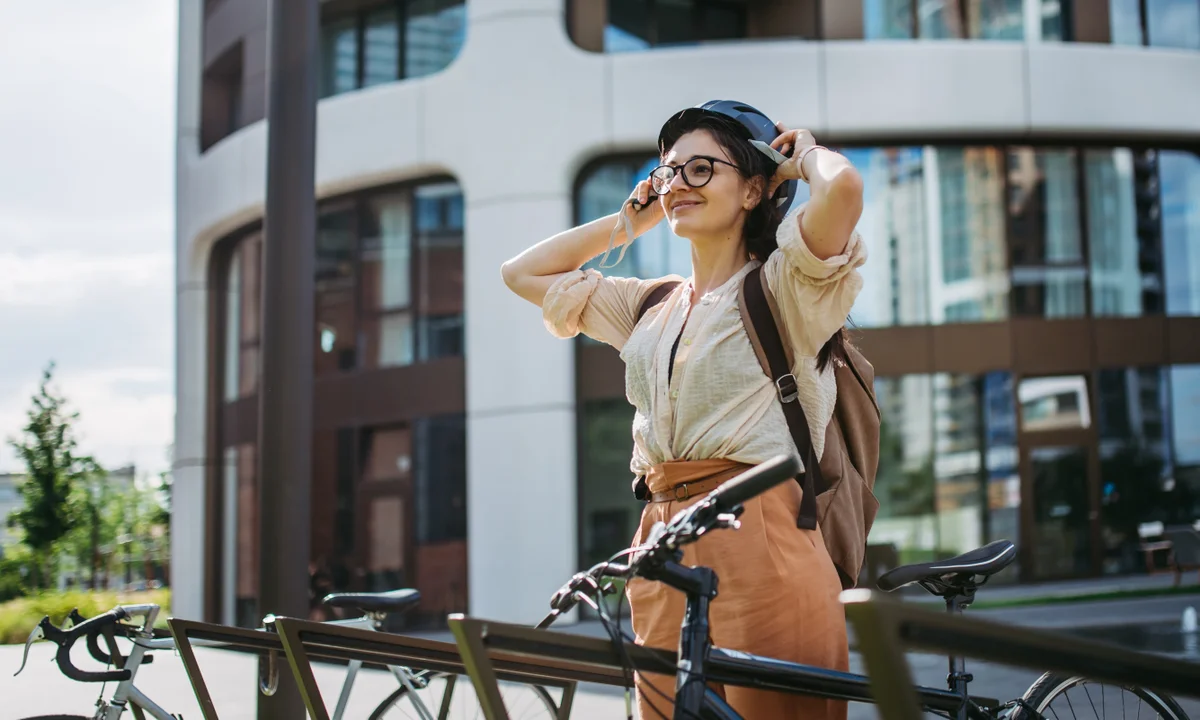
Recreation, especially when it involves physical activity, has undeniable health advantages. Activities like hiking, cycling, swimming, or playing sports increase cardiovascular fitness, enhance flexibility, and improve muscle tone. Regular physical recreation helps reduce the risk of chronic illnesses such as obesity, diabetes, heart disease, and hypertension.
Moreover, physical recreation encourages movement and reduces sedentary behavior, which is increasingly common due to the prevalence of screen-based activities. Even light recreational exercise, such as walking in a park or gardening, can have measurable benefits for overall health.
Mental and Emotional Benefits
Recreation is just as important for mental health as it is for physical well-being. Taking time to enjoy hobbies or play can reduce stress, lower anxiety, and alleviate symptoms of depression. Engaging in leisure activities provides a mental break from daily worries and responsibilities, allowing the mind to relax and reset.
Creative recreational activities such as painting, writing, or playing an instrument stimulate the brain and promote self-expression. These outlets can enhance mood, boost self-esteem, and even improve cognitive functions like memory and concentration.
Additionally, spending time in nature—through recreational pursuits like camping or nature walks—has been shown to reduce cortisol levels, promote mindfulness, and improve overall psychological health.
Social Connection and Community Building
Many recreational activities offer opportunities for social interaction, which is crucial for emotional well-being. Whether it’s joining a local sports team, attending a dance class, or participating in a community gardening project, these activities help people connect, build friendships, and strengthen social bonds.
Recreational programs can also foster a sense of belonging and reduce feelings of isolation, especially for individuals in urban settings or those experiencing life transitions like retirement or relocation. Shared leisure experiences often create lasting memories and deepen relationships, enhancing life satisfaction.
Types of Recreational Activities
Recreation is diverse and can be tailored to individual interests and lifestyles. Here are some common types of recreational activities:
-
Outdoor Recreation
This includes activities like hiking, camping, fishing, rock climbing, and bird-watching. These often involve natural settings and combine physical activity with exposure to fresh air and scenic beauty. -
Sports and Fitness Recreation
Participating in team sports (e.g., soccer, basketball), solo sports (e.g., tennis, running), or fitness programs (e.g., yoga, Pilates, gym workouts) falls under this category. These promote physical health and often offer social engagement as well. -
Creative Recreation
Activities such as painting, photography, music, crafting, or cooking allow for artistic expression and mental stimulation. These are particularly therapeutic and suitable for all ages. -
Passive Recreation
Watching movies, reading, or playing video games can offer relaxation and entertainment. While less physically engaging, these still provide mental stimulation and pleasure. -
Cultural and Educational Recreation
Visiting museums, attending concerts, or taking language or dance classes enriches the mind and expands cultural awareness.
Barriers to Recreation
Despite the known benefits, many people struggle to make time for recreation. Common barriers include:
-
Busy schedules
Work demands and family responsibilities often leave little time for leisure. -
Financial constraints
Some recreational activities can be expensive, making them less accessible. -
Lack of awareness or motivation
People may not realize the value of recreation or feel too tired or unmotivated to participate. -
Limited local options
In some areas, especially rural or underdeveloped communities, recreational facilities and programs may be scarce.
Overcoming these barriers often requires intentional effort, such as scheduling leisure time, exploring low-cost or free activities, or seeking community programs and resources.
Integrating Recreation into Daily Life
Incorporating recreation into a daily or weekly routine doesn’t have to be complicated. Here are some tips:
-
Start small: Even 20 minutes of walking, reading, or stretching can have positive effects.
-
Choose activities you enjoy: You’re more likely to stick with a hobby that genuinely interests you.
-
Schedule it: Treat recreational time like any other important appointment.
-
Be open to new experiences: Trying different activities can lead to discovering new passions.
-
Get others involved: Sharing activities with friends or family can make them more enjoyable and sustainable.
Recreation and Work-Life Balance
One of the most overlooked aspects of maintaining work-life balance is intentional recreation. Taking breaks, going on vacations, and allowing time for hobbies help prevent burnout and increase productivity. Employers are also recognizing this, with many encouraging team-building activities, offering wellness programs, and supporting flexible work schedules.Incorporating recreation into life isn’t a luxury—it’s a necessity for a fulfilling and sustainable lifestyle.
Conclusion
Recreation is far more than just a way to pass the time. It’s a critical component of health, happiness, and overall life satisfaction. Whether you’re engaging in an intense sport or quietly painting at home, recreation provides a space to recharge, reflect, and reconnect—with yourself and others.
In a society that often glorifies busyness and constant productivity, making time for leisure can feel counterintuitive. But in reality, it’s one of the most effective ways to improve quality of life. By embracing recreation in its many forms, individuals can lead richer, healthier, and more balanced lives.
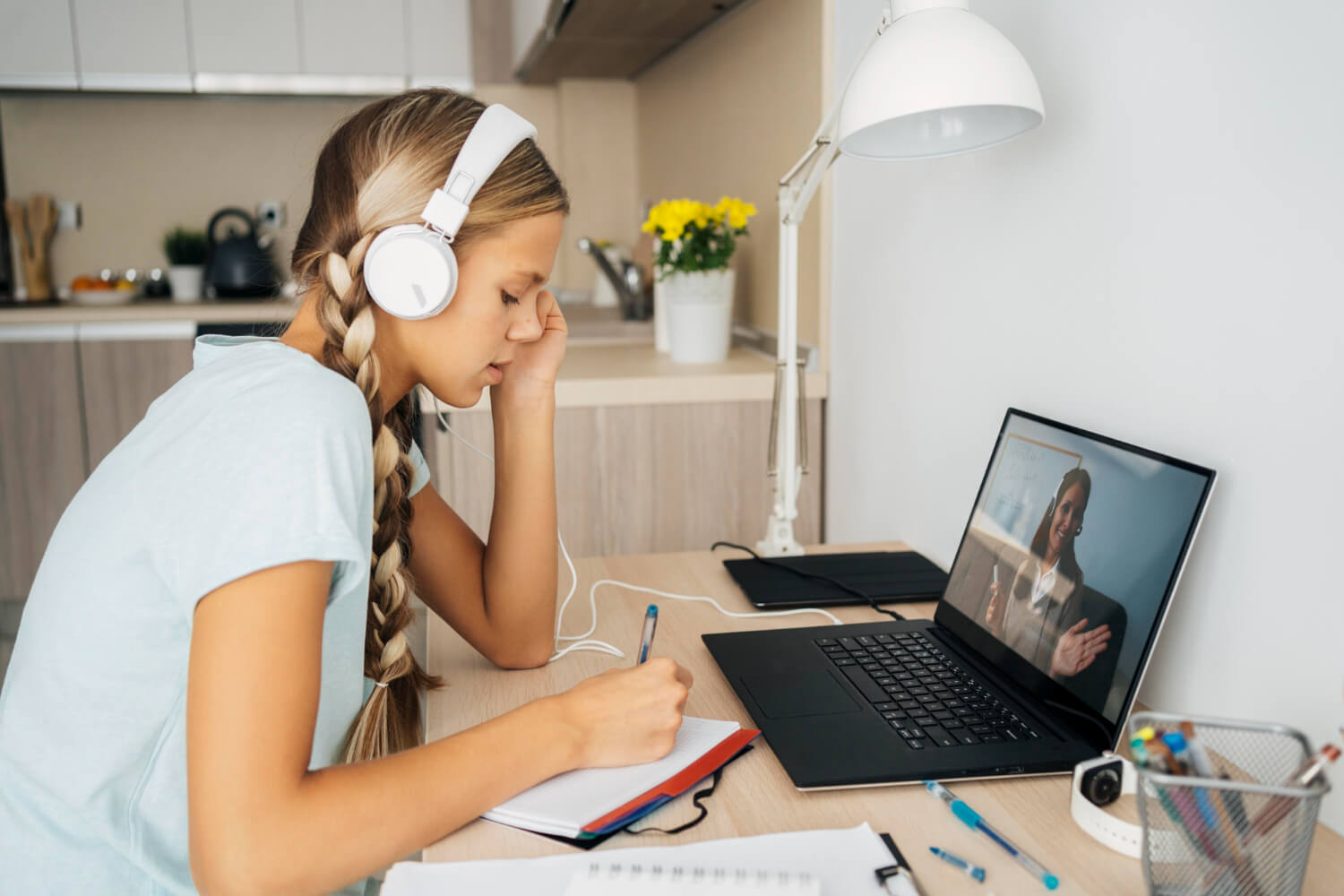
The teenage years can be a whirlwind of emotions and challenges. Throw in the pressures of school, social connections, and personal responsibilities, and it’s no surprise that many teens struggle with stress. For those who have also experienced trauma, the struggle can feel even heavier. Thankfully, e-learning has emerged as a method of education and a potential tool to help teens manage stress and work through traumatic experiences safely and flexibly.
E-learning goes beyond delivering lessons through a screen. It offers a personalized, adaptable environment that can make a big difference in the lives of teenagers juggling mental health concerns. Here’s how this learning mode can be instrumental in helping teens cope with stress and trauma, along with actionable ways that caregivers and educators can ensure its effectiveness.
Flexibility to Meet Individual Needs
One of the greatest advantages of e-learning is its flexibility. Traditional classrooms, while valuable, often operate on rigid schedules that might not cater to everyone. Teens dealing with stress or trauma often experience fluctuating energy levels and concentration abilities. They may feel overwhelmed attending full, demanding school days or need time to focus on healing and personal well-being.
E-learning allows students to complete assignments, watch lectures, and participate in learning activities on a timeline that works for them. For example, a teenager grappling with anxiety might find it easier to absorb information in the evening when things are quiet, or they might want to break lessons into smaller, manageable chunks throughout the day. This flexibility removes the pressure of keeping pace with a standard classroom setup, which can be a source of stress for many teens.
Accessibility for All Learners
Trauma and stress don’t take a one-size-fits-all approach, nor should education. E-learning platforms offer accessibility features that can be tailored to different needs. From closed captions on videos to tools that adjust font sizes and text-to-speech options, these resources can help teens engage with material in comfortable and empowering ways.
For instance, if a teen has experienced bullying or struggles in crowded social environments, e-learning provides a safe, distraction-free space to focus on their studies without fear of judgment. Additionally, e-learning courses often introduce self-paced assessments, enabling teens to monitor their progress and take ownership of their learning, helping them build confidence.
Personalized Learning for Unique Challenges
Every teen is different, and their experiences with stress or trauma will vary as well. Personalized learning, often built into e-learning platforms, allows teens to focus on subjects or topics they find most engaging or that align with their strengths. For example, some e-learning tools use algorithms to adapt content to the student’s pace, ensuring they aren’t hurried through material they haven’t fully understood.
This type of one-on-one learning can be especially beneficial for students managing trauma-related challenges, as it keeps them from feeling left behind academically. By eliminating the pressure to perform compared to their peers, personalized learning provides a space of encouragement and growth rather than added anxiety.
Strategies for a Supportive E-Learning Environment
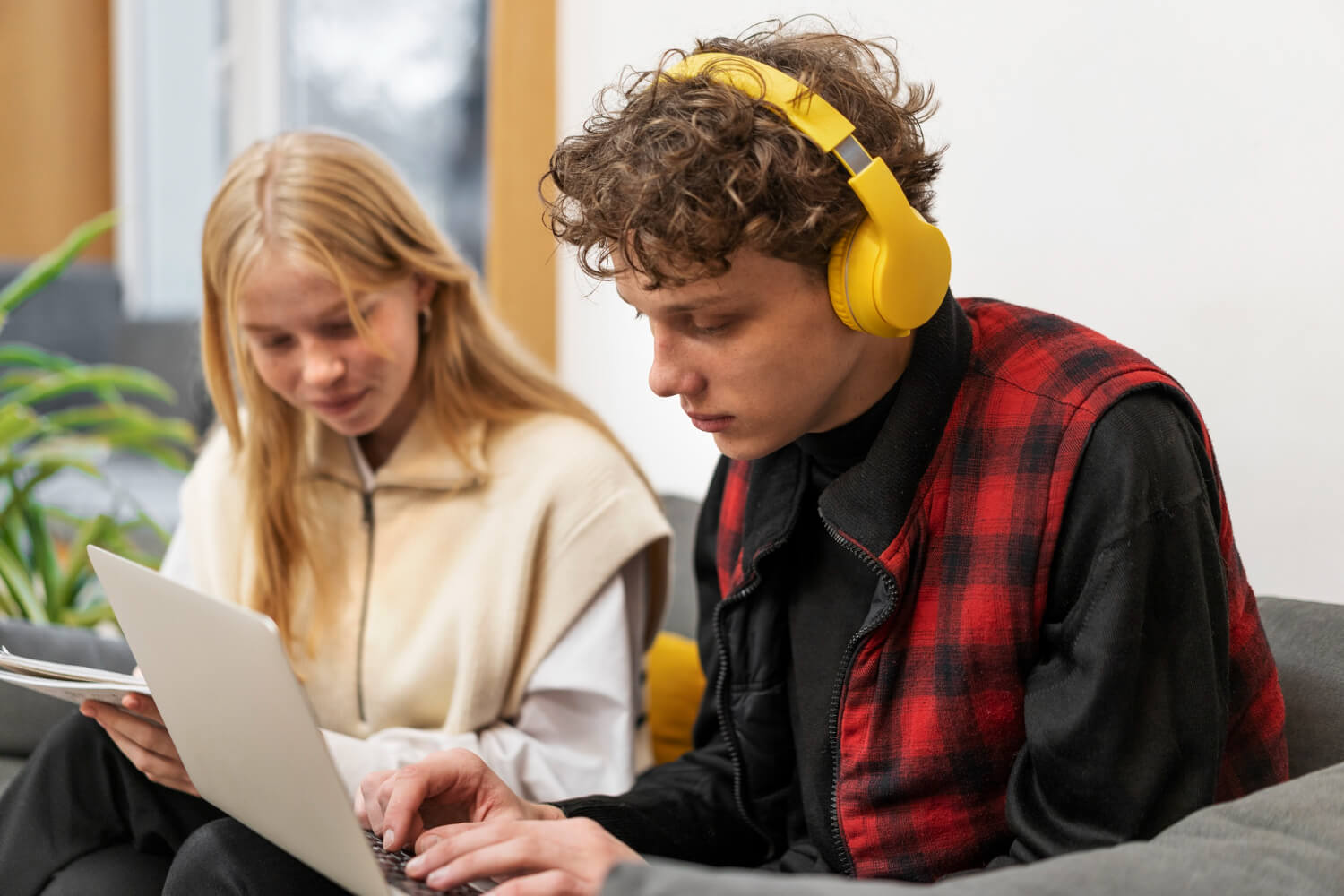
The success of e-learning in supporting teens with stress and trauma also depends on how parents and educators set up and maintain this learning environment. Here are some practical ways to create a space where teens can thrive:
1. Encourage Open Communication
Regular check-ins with teens can help adults understand how they’re feeling and what they need to succeed. Ask them about their workload, how well they understand their lessons, and whether there are any changes they’d like to see in their setup. Providing a judgment-free space for them to share their feelings can be therapeutic.
2. Prioritize Mental Health Breaks
Teens shouldn’t feel stuck in front of a screen all day. Encourage breaks between lessons for mindfulness activities, physical exercise, or simply stepping away to relax. A stretching or deep breathing session can do wonders for releasing built-up tension.
3. Introduce Resources for Emotional Wellness
Leverage e-learning’s capability to provide more than just academic material. Introduce supplemental resources like guided meditation apps, virtual counseling programs, or online workshops on stress management. Many platforms offer courses focused on life skills and emotional health, which can further equip teens with strategies for coping.
4. Create a Comfortable Learning Space
The environment in which e-learning takes place can significantly impact how teens feel. Help them set up a quiet, comfortable space with minimal distractions. Personal touches, like a favorite photo or stress-relief tools like a stress ball or fidget toy, can also make the area feel safe and welcoming.
5. Balance Screen Time

While e-learning is incredibly valuable, too much time online can lead to burnout or worsen mental health struggles. Set boundaries around screen time and encourage offline activities that promote creativity and relaxation, like drawing, journaling, or reading paperback.
6. Celebrate Small Milestones
Celebrating small victories can boost a teen’s confidence, whether it’s finishing a challenging assignment or simply logging on for a consistent week. Positive reinforcement from parents and educators can go a long way in helping teens feel capable and supported.
-

 Fashion1 year ago
How Fashion Impacts Confidence and Self-Expression
-

 School2 years ago
Blended Learning: Combining Online And In-Person Training For Success
-

 School1 year ago
Supporting Students Exposed To Trauma In Schools
-

 School2 years ago
How Teachers and Counselors Can Support Students In Self-Guided Courses
-

 School2 years ago
Take Control of Your Growth: The Power Of Self-Paced Learning
-
 School2 years ago
Creating A Safe Learning Environment For Students Facing Adversity
-

 Travel2 years ago
Best Destinations for Solo Travelers Looking for Relaxation and Growth
-

 Travel1 year ago
How To Stay Mindful And Present While Traveling