
School
How Teachers and Counselors Can Support Students In Self-Guided Courses

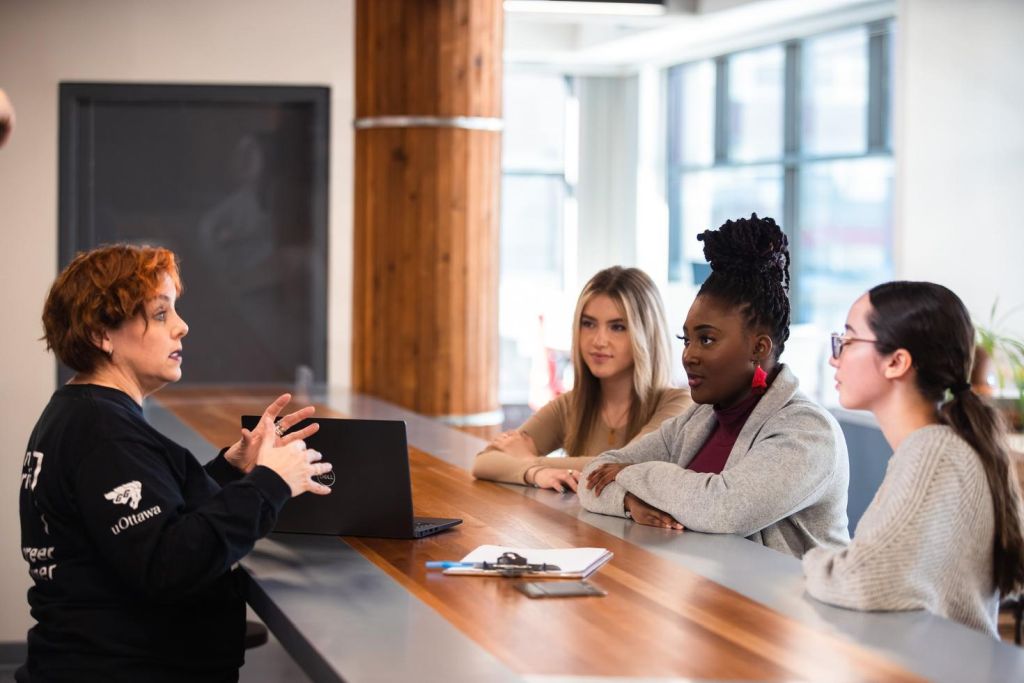
Self-guided courses are transforming the way students learn, offering flexibility and independence like never before. However, navigating this path isn’t always easy. Many students struggle with time management, staying motivated, or simply knowing where to start. That’s where teachers and counselors step in as invaluable guides. By offering strategic support and fostering essential skills, educators can empower students to thrive in self-paced learning environments. This article explores practical ways teachers and counselors can provide the guidance students need to succeed while building confidence and resilience along the way.
Key Challenges Students Face in Self-Paced Courses
Self-paced courses offer students flexibility, but they can also present significant challenges. One major hurdle is time management. Without fixed schedules, many students struggle to plan and stick to a routine, leading to missed deadlines and incomplete tasks. Motivation is another common obstacle. Without regular interactions with peers or instructors, students may find it hard to stay focused and engaged over time. This lack of external accountability can make procrastination tempting.
Feelings of isolation can also arise in self-paced learning. Without the social connections found in traditional settings, students might feel disconnected and unsupported, which can impact both their learning experience and emotional well-being. Furthermore, some students may lack the foundational skills or confidence needed to independently tackle course material, leading to frustration and a sense of being overwhelmed.
By understanding these challenges, educators and counselors can better prepare to offer targeted support, helping students develop essential skills and build confidence as they pursue their educational goals. The right guidance can transform obstacles into opportunities for growth.

Practical Tips for Teachers to Support Self-Guided Students
Supporting students in self-guided courses requires a proactive approach. Start by setting clear expectations. Provide students with a course outline, deadlines, and specific goals to help them understand what’s expected and stay organized.
Regular check-ins are crucial to keep students on track. Schedule weekly or bi-weekly meetings to discuss progress, address challenges, and celebrate achievements. These touchpoints provide accountability and ensure students don’t feel isolated in their learning journey.
Equip students with practical tools and resources to foster success. Share strategies for managing time effectively, such as breaking tasks into smaller steps or using digital planners. Encourage students to create a study schedule that fits their pace while maintaining accountability.
Lastly, motivation can be a hurdle in self-paced courses, so incorporate positive reinforcement. Celebrate milestones, share encouraging words, or suggest setting up peer groups for additional motivation and support.
By applying these strategies, teachers can empower students to take charge of their learning while providing the structure and guidance needed to succeed in a self-directed environment.
Tools and Resources to Help Students Excel in Self-Paced Learning
Equipping students with the right tools and resources can make a significant difference in their success with self-paced learning. Digital platforms like Khan Academy, Coursera, and edX offer comprehensive content on a wide range of subjects, allowing students to learn at their own speed. Productivity apps such as Todoist or Trello can help students set clear goals and manage deadlines effectively, keeping them organized and on track.
For interactive and enhanced learning, tools like Quizlet provide options to create custom flashcards and take practice quizzes, while Notion serves as an excellent all-in-one workspace for note-taking and planning. Teachers and counselors can also suggest time-management tools like Focus Booster, which uses the Pomodoro Technique to prevent burnout and boost focus.
Additionally, encouraging students to tap into online forums or peer collaboration tools such as Slack for group discussions can enhance their understanding through shared knowledge. With the right guidance, these resources can empower students to take charge of their learning confidently.
Creating Personalized Learning Plans for Maximum Success
Personalized learning plans are key to helping students thrive in self-paced courses. By tailoring education strategies to suit individual needs, teachers and counselors can provide students with a roadmap toward success. Start by identifying each student’s learning style, strengths, and areas that need improvement. This insight allows educators to recommend specific goals, resources, and timelines that align with their abilities.
Utilize tools like diagnostic assessments or student surveys to gather relevant details. Creating a flexible plan is crucial so students can adjust their pace as they progress. Incorporate a mix of materials, such as video lessons, interactive exercises, and reading assignments, to keep learners engaged.

Teachers and counselors should also schedule regular check-ins to monitor progress, address challenges, and celebrate achievements. Encourage students to take an active role in shaping their plan, fostering a sense of accountability. A personalized approach not only makes learning more effective but also builds confidence, motivating students to take ownership of their education. With the right plan, every student can achieve their fullest potential.
Final thoughts
In summary, the support of teachers and counselors is crucial to student success in self-guided courses. By offering personalized plans, recommending effective tools, and providing consistent guidance, educators create a strong foundation for independent learning. With this support, students can stay motivated, focused, and empowered to achieve their goals.



Marketing students need more than theory to understand what makes a campaign successful. They must learn how to research an audience, build a clear message, choose the right channels, and measure results after launch. A strong marketing campaign is not based only on creativity; it also depends on planning, timing, consistency, and smart decisions. By studying real examples and practicing different strategies, students can develop the confidence to create campaigns that attract attention and deliver value. This helps them prepare for real business challenges and future career opportunities with a stronger understanding of how marketing works in modern business today.
How Clear Goals Shape a Strong Marketing Campaign
Clear goals are the foundation of every strong marketing campaign because they help businesses understand what they want to achieve before taking action. Without clear goals, a campaign can quickly become confusing, expensive, and difficult to measure. Students should learn that every campaign needs a purpose, whether it is building brand awareness, generating leads, increasing sales, or improving customer trust. Companies like RUTE company understand the importance of marketing campaigns because strong promotion helps a business reach the right audience and explain its value clearly. When goals are defined from the beginning, it becomes easier to choose the right message, platform, budget, and strategy. This makes the entire campaign more focused, professional, and effective.
The Importance of Choosing the Right Marketing Channels
Choosing the right marketing channels is one of the most important steps in building a successful campaign. Even a strong message can fail if it is shared in the wrong place or with the wrong audience. Marketing students should understand that every platform has a different purpose, style, and type of user. Social media can be useful for engagement, email marketing can support direct communication, while search engines can help people find a business when they already need a solution. The best channel depends on the campaign goals, target audience, budget, and product or service being promoted. When students learn how to match the message with the right platform, they can create campaigns that perform better and deliver stronger results.

How Creative Messaging Makes Campaigns More Effective
Creative messaging makes marketing campaigns more effective because it helps a brand stand out in a busy market. People see many ads, posts, emails, and videos every day, so a simple and boring message is easy to ignore. Marketing students should learn how to create messages that are clear, interesting, and connected to the needs of the audience. A creative message does not have to be complicated; it only needs to explain the value of a product or service in a memorable way. Good messaging can create emotion, build curiosity, and encourage people to take action. When creativity is combined with strategy, a campaign becomes more powerful and easier for customers to remember.
Why Measuring Results Helps Students Improve
Measuring results helps marketing students understand what worked, what failed, and what can be improved in the next campaign. A campaign may look creative, but without data, it is difficult to know if it truly achieved its goals. Students should learn how to follow important metrics such as clicks, impressions, conversions, engagement, leads, and sales. These numbers show how people reacted to the campaign and whether the message reached the right audience. By reviewing results, students can discover which channels performed best and which parts need adjustment. This process teaches them to make better decisions based on evidence, not only opinion. Over time, measurement helps students become more confident, strategic, and professional marketers.
How Practice Prepares Students for Real Marketing Challenges
Practice prepares students for real marketing challenges because it helps them move from theory to action. Reading about campaigns is useful, but creating them teaches students how decisions work in real situations. Through practice, they learn how to plan ideas, test messages, choose channels, manage deadlines, and solve problems when something does not perform as expected. This experience helps students understand that marketing is not always perfect from the start. Campaigns often need changes, testing, and patience before they bring strong results. By working on practical projects, students build confidence and improve their creative and analytical skills. This makes them better prepared for future jobs, business projects, and the fast changes of the marketing industry.
Conclusion
Learning how to create successful marketing campaigns is an important step for every marketing student. It helps them understand how strategy, creativity, planning, and data work together in real business situations. Strong campaigns are not created by chance; they are built through research, clear goals, smart channel selection, creative messaging, and careful measurement. When students practice these skills, they become more prepared to face real marketing challenges and make better decisions. Over time, this knowledge can help them grow into confident professionals who understand how to connect brands with the right audience and create campaigns that deliver meaningful results.

Trauma is an invisible burden that many students carry daily in school. Whether it arises from adverse childhood experiences (ACEs), such as neglect, abuse, or family instability, or more recent events like a natural disaster or community violence, trauma leaves lasting impacts that go far beyond the classroom walls. If left unaddressed, it can significantly hinder a child’s ability to focus, learn, and build healthy relationships.
Educators and school administrators increasingly recognize the importance of building trauma-informed schools to support the well-being and success of all students. But how can schools become havens of safety and growth for those dealing with the complexities of trauma? This post explores the prevalence of trauma in student populations, the ways it can impact learning and behavior, and evidence-based strategies to create supportive, trauma-informed environments.
The Prevalence of Childhood Trauma
Research indicates that nearly half of all children in the United States have experienced at least one traumatic event by the time they turn 17. This could be something as direct as physical abuse or as seemingly distant as witnessing domestic violence. However, the effects of trauma don’t depend on the type of event; they depend on how the child experiences and processes it. Students from historically marginalized communities, including those living in poverty, recent immigrants, or students of color, are statistically more likely to face multiple adverse experiences.
Trauma is not distributed equally, and its effects often intersect with social inequities. Recognizing this disparity is crucial for creating school environments that are both equitable and healing spaces for every child.
The Impact of Trauma on Students
Trauma changes how the brain functions, particularly in how it processes threats, manages stress, and interprets surroundings. Students exposed to trauma often operate in a constant fight, flight or freeze state, which means they may struggle with things like focus, memory recall, or even basic self-regulation.
It’s not uncommon to see trauma manifest in behavior that seems defiant, disengaged, or overly reactive. For example, a student who lashes out at teachers or refuses to participate in group projects might signal distress, not intentional disobedience. Likewise, chronic absenteeism, difficulty completing assignments, or withdrawal from classroom activities may point to deeper issues.
Trauma affects how students learn and their ability to form trusting relationships. Building those relationships becomes even more vital in school, where adults can model consistent, supportive behavior and help students develop tools to recover.
Why Trauma-Informed Schools Matter
Trauma-informed schools operate on a fundamental principle: Children can best learn and thrive when their emotional and psychological needs are met. Instead of labeling a behavior as “bad” or punishing students for acting out, trauma-informed educators ask, “What’s underlying this behavior? How can I support this student better?”
What sets these schools apart is not just better understanding but intentionality. They integrate every policy and practice to reduce stress and build resilience among students, regardless of whether they have experienced trauma. Trauma-informed practices also improve student outcomes, creating environments where empathy, respect, and emotional intelligence flourish.
Strategies for Supporting Students Exposed to Trauma
Adopting trauma-informed approaches takes time and commitment, but there are clear, actionable steps educators and school leaders can implement to create lasting change.
1. Foster a Safe and Predictable Environment
Students who have experienced trauma often thrive in environments where they feel physically and emotionally safe. Creating routines, maintaining consistent expectations, and communicating those standards provide the predictability they crave. Pay attention to both physical safety (like secure building access) and emotional safety, ensuring students feel respected, heard, and valued.
Classroom environments can also be designed to reduce stress. For example, having a quiet corner for students to self-regulate or offering calming tools like headphones or stress balls may make a big difference for students dealing with stress or anxiety.
2. Build Strong, Trusting Relationships

Strong relationships between students and educators can be a lifeline for those navigating trauma. A teacher who takes time to truly know a student, listens without judgment, and responds with care and warmth becomes a stable anchor in that child’s life.
Simple practices like greeting students warmly in the morning, showing genuine interest in their hobbies, or checking in individually with students who seem distressed reinforce the message that they are valued and supported.
3. Incorporate Social-Emotional Learning (SEL)
Social-emotional learning teaches students key skills like managing emotions, building relationships, and making responsible decisions. For trauma-affected children, these skills might not come easily. SEL lessons can help them process difficult emotions in healthy ways and equip them with tools to manage stress better.
Mindfulness exercises, journaling, or supportive peer discussions can enhance emotional awareness. Beyond the personal benefits, SEL fosters a community culture where empathy and mutual respect become ingrained values.
4. Use Trauma-Sensitive Discipline
Traditional disciplinary approaches, such as suspension or expulsion, often fail to address the root of challenging behavior. Instead, trauma-informed systems focus on restorative practices that encourage accountability without alienating the student.
For instance, guided conversations after conflicts can allow students to express what led to their behavior and work toward meaningful solutions. Such approaches reduce recidivism and help students build healthier coping mechanisms.
5. Offer Professional Development for Educators
Educators may not be mental health experts, but they are key players in supporting trauma-exposed students. Schools should provide teachers and staff with regular training on recognizing signs of trauma, de-escalating conflict, and building inclusive classroom practices.
Professional development programs can also help staff process their own secondary trauma. Teachers often carry emotional burdens from witnessing repeated student suffering, so offering mental health support for educators is just as crucial in creating a holistic trauma-informed school.

Moving Forward
Trauma can feel overwhelming, both for the students experiencing it and for the educators supporting them. But when schools intentionally adopt trauma-informed practices, they spark hope and healing. A compassionate educator or a structured and loving classroom can be a powerful protective factor, helping students survive and thrive despite their struggles.
Change may require time, resources, and adjustments to long-standing practices, but the results make it worth every effort. By fostering safe environments, nurturing relationships, and prioritizing social-emotional growth, schools can make a lifelong difference for students who need them the most. The task is clear—we must equip every educator with the tools to see beyond behavior and attend to the hearts and minds of their students. Only then can schools become environments where every child feels supported, understood, and empowered to flourish.

Imagine a learning approach that bridges the best of both worlds–the convenience of online learning and the personal connection of in-person instruction. Blended learning does just that, offering a dynamic solution for education and training. By combining digital tools with face-to-face interaction, this method not only adapts to diverse learning styles but also maximizes engagement and retention. Whether you’re training professionals or teaching students, blended learning is transforming how we learn with its balance of flexibility and effectiveness.
Essential Tools for Effective Blended Learning
When it comes to effective blended learning, the right tools can make all the difference. A robust Learning Management System (LMS) acts as the backbone, organizing course materials and tracking learner progress. It simplifies access for all users, ensuring a seamless experience.
Video conferencing platforms, like Zoom or Microsoft Teams, add a human touch, enabling real-time interactions that mimic the classroom environment. These tools foster engagement and allow for meaningful discussions.
Interactive content creation tools, such as Articulate or Canva, make lessons more dynamic. They empower educators to design engaging quizzes, videos, and presentations tailored to diverse learning styles.
Finally, collaboration apps like Google Workspace or Slack encourage teamwork and communication. They make sharing ideas and working on group projects easy, breaking down the barriers of physical location.
By integrating these tools, organizations can create a blended learning environment that’s not only accessible but also engaging and efficient, ensuring learners stay motivated and connected throughout their educational experience.
Strategies to Implement Blended Learning in Your Organization
Implementing blended learning in your organization requires a structured approach to ensure success. Start by assessing your organization’s needs and identifying the goals of your learning program. This helps you tailor a strategy that aligns with both learner and organizational objectives.
Next, select the right tools to support your program. A reliable Learning Management System (LMS) combined with interactive tools and video conferencing platforms can provide a solid foundation for both online and in-person components.
Train your instructors and facilitators on how to effectively use these tools and integrate them into their teaching methods. Well-trained instructors can better engage learners and ensure smooth transitions between digital and face-to-face interactions.
Create a balanced mix of online and in-person sessions. Online learning should provide flexibility, while in-person training can focus on collaboration, hands-on practice, or deep discussions.
Lastly, prioritize clear communication and collect feedback regularly. Use insights from learners and instructors to refine and improve the program over time. These steps can help establish a dynamic and effective blended learning environment in your organization.

Real-World Examples of Successful Blended Learning Initiatives
Blended learning has proven to be a game-changer across various industries. For instance, in corporate training, companies like IBM have adopted blended learning initiatives that combine online modules with in-person workshops. This approach has increased employee engagement and reduced training costs while ensuring consistent knowledge transfer across teams worldwide.
Higher education institutions have also embraced this model. Arizona State University, for example, offers blended courses that pair digital lectures and interactive content with hands-on classroom discussions. This has not only expanded access to quality education but also improved student performance and satisfaction.
The healthcare sector showcases another success story. Organizations use blended learning to train medical staff, mixing e-learning for theoretical knowledge with in-person simulations for hands-on practice. This has enhanced skill retention and prepared healthcare professionals for real-world scenarios.
These examples highlight how tailoring blended learning to specific needs and sectors can lead to remarkable results. By integrating flexibility with face-to-face engagement, organizations empower learners while achieving their goals more effectively.
Tips for Balancing Flexibility and Structure in Blended Learning
Striking the right balance between flexibility and structure is key to effective blended learning. Start by setting clear goals for your learning program. Clearly defined objectives provide a roadmap that keeps both instructors and learners aligned.
Establish a consistent schedule to build structure into your program. Regular checkpoints, deadlines, and in-person sessions help create a sense of routine, while still leaving room for self-paced online learning.
Offer adaptable content to accommodate diverse learning preferences. Use a mix of formats like videos, quizzes, discussion boards, and live sessions, ensuring learners stay engaged no matter their individual needs.
Maintain open communication with learners. Encourage feedback through surveys or check-ins and use these insights to make adjustments, ensuring the program continues to meet their needs without becoming too rigid.
Finally, strike a balance between autonomy and support. Allow learners the freedom to manage their time for online components while being available to guide them when needed. A thoughtful balance will create an environment that’s both productive and flexible, keeping learners motivated and on track.
The Future of Education and Training Through Blended Learning
Blended learning is poised to transform education and training, driven by innovative technologies and shifting learner needs. One key trend is AI-driven personalization, which tailors learning experiences to individual preferences and progress. This approach ensures that learners can move at their own pace while receiving targeted support when needed.
Immersive technologies like virtual and augmented reality are set to redefine engagement. These tools enable hands-on, interactive learning environments, making complex concepts easier to grasp. Whether it’s simulating real-world scenarios or enhancing collaboration, VR and AR will play a pivotal role in blended learning’s evolution.

Additionally, there’s a growing emphasis on lifelong learning as industries evolve rapidly. Blended learning offers the flexibility needed for professionals to upskill and reskill efficiently, integrating easily into busy schedules.
The future of blended learning will focus on accessibility, ensuring education reaches diverse learners around the globe. By combining cutting-edge technology with traditional teaching methods, the model will continue to create more engaging, effective, and inclusive learning experiences for everyone.
Final Thoughts
Blended learning holds immense potential to revolutionize education and training by seamlessly merging flexibility with structure. By leveraging advanced technologies and catering to diverse needs, it enhances engagement and accessibility. As we look ahead, blended learning will continue to redefine how we learn, equipping individuals and organizations for a dynamic future.
-

 School2 years ago
Blended Learning: Combining Online And In-Person Training For Success
-

 School2 years ago
Supporting Students Exposed To Trauma In Schools
-

 Fashion2 years ago
How Fashion Impacts Confidence and Self-Expression
-

 Health1 year ago
The Joy of Recreation: Why Leisure is Essential for a Balanced Life
-

 Health3 years ago
The Benefits Of Confidential Mental Health Support For Students
-

 School2 years ago
Take Control of Your Growth: The Power Of Self-Paced Learning
-

 Health2 years ago
Helping Teens Cope With Stress And Trauma Through E-Learning
-

 School2 years ago
Creating A Safe Learning Environment For Students Facing Adversity