Training
The Benefits Of Self-Paced Learning In Personal Development

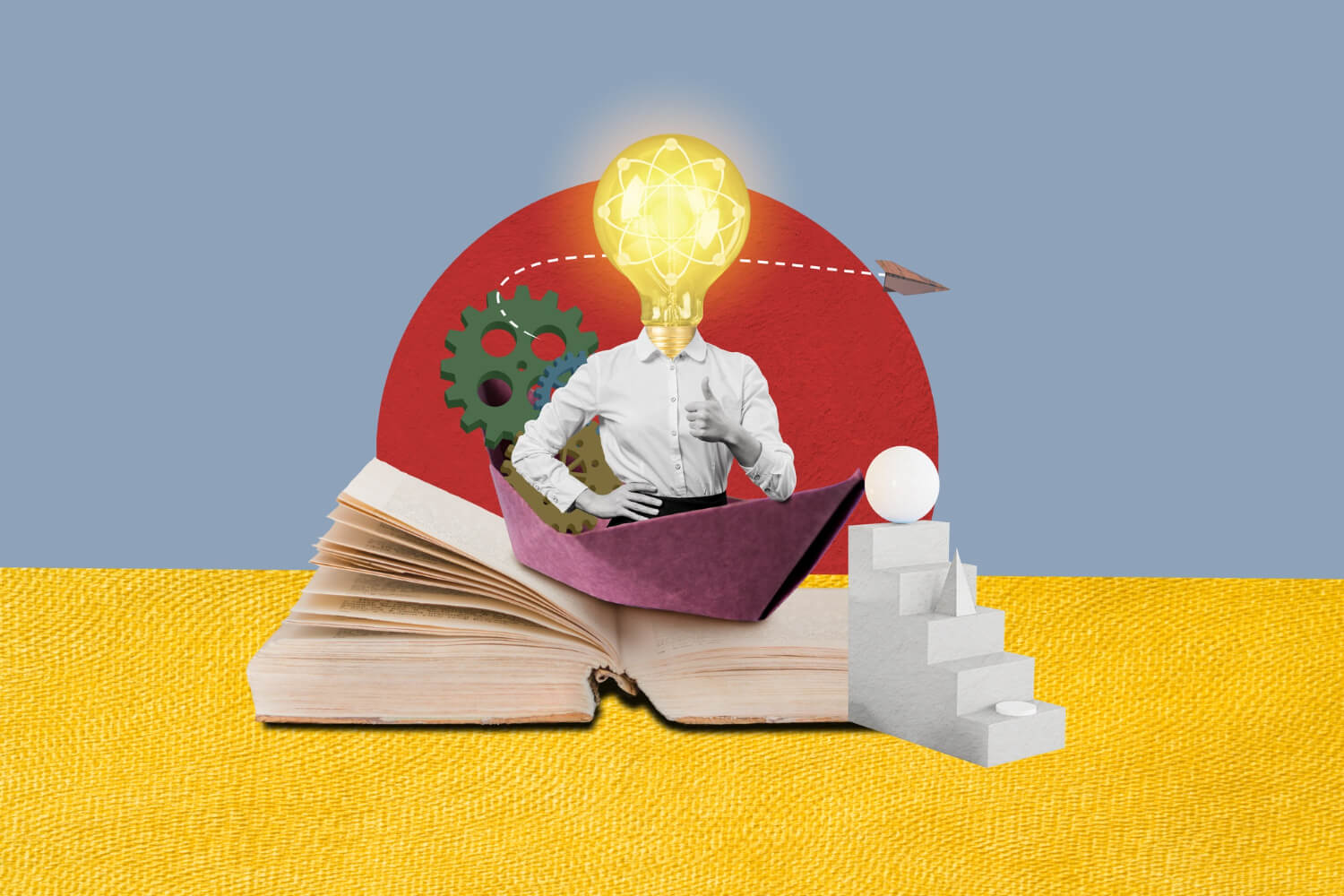
Personal development is a lifelong journey. Whether learning a new skill, pursuing a goal, or simply trying to grow, there’s no one-size-fits-all approach. That’s where self-paced learning comes in. It’s a flexible, customizable way to take control of your personal growth, allowing you to learn at your own rhythm and on your own terms. From online courses to apps and books, self-paced learning offers resources to help individuals achieve their goals. Here’s how it works and why it’s so effective.
What is Self-Paced Learning?
At its core, self-paced learning means you are in charge of your own educational experience. There’s no rigid timeline or classroom schedule to follow. Instead, you decide when, where, and how you learn. This approach contrasts with traditional learning models, which often move at a set pace, leaving some students frustrated because they’re either falling behind or not being challenged enough.
Self-paced learning is popular in personal development circles because it aligns with individual accountability. You’re not competing with anyone but yourself, which can make the process less stressful and more enjoyable.
The Flexibility of Self-Paced Learning
One of the biggest advantages of self-paced learning is its flexibility. Life is busy, and we all have packed schedules. Finding time to invest in personal development can feel impossible between work, family, social commitments, and other responsibilities. Self-paced learning solves this problem.
Take online courses, for example. Platforms like Coursera, Udemy, and Skillshare make learning easy whenever you have a free moment. You can dig into a module before work, study during your lunch break, or tackle a section on the weekend. Miss a few days? No problem. Self-paced programs mean you can pick up exactly where you left off without worrying about falling behind.
This flexibility also applies to location. Want to learn from the comfort of your couch? Perfect. Prefer to study on the go while commuting? Apps and audiobooks have you covered. Self-paced learning fits seamlessly into any lifestyle, no matter how packed it may be.
Customizing Your Learning Experience
Another reason self-paced learning is so effective for personal development is its ability to adapt to your specific needs and goals. Traditional learning environments typically follow a one-size-fits-all curriculum, leaving little room for personalization. But personal growth is, well, personal. What works for one person may not work for another.
For instance, if your goal is to improve your leadership skills, your learning path might include a combination of management books, webinars from industry experts, and apps focused on building effective communication skills. On the other hand, if your focus is on mastering a practical skill like coding, you might craft a completely different plan involving coding exercises, online tutorials, and practice projects.
By choosing resources that align with your goals and interests, you’re setting yourself up for success. Self-paced learning allows you to hone in on what truly matters to you without wasting time on irrelevant material.
Accommodating Different Learning Styles
We all learn differently. Some people are visual learners who thrive on graphs and videos, while others prefer audio resources they can listen to while multitasking. Then some hands-on learners learn best by doing and readers who love to absorb knowledge through text.
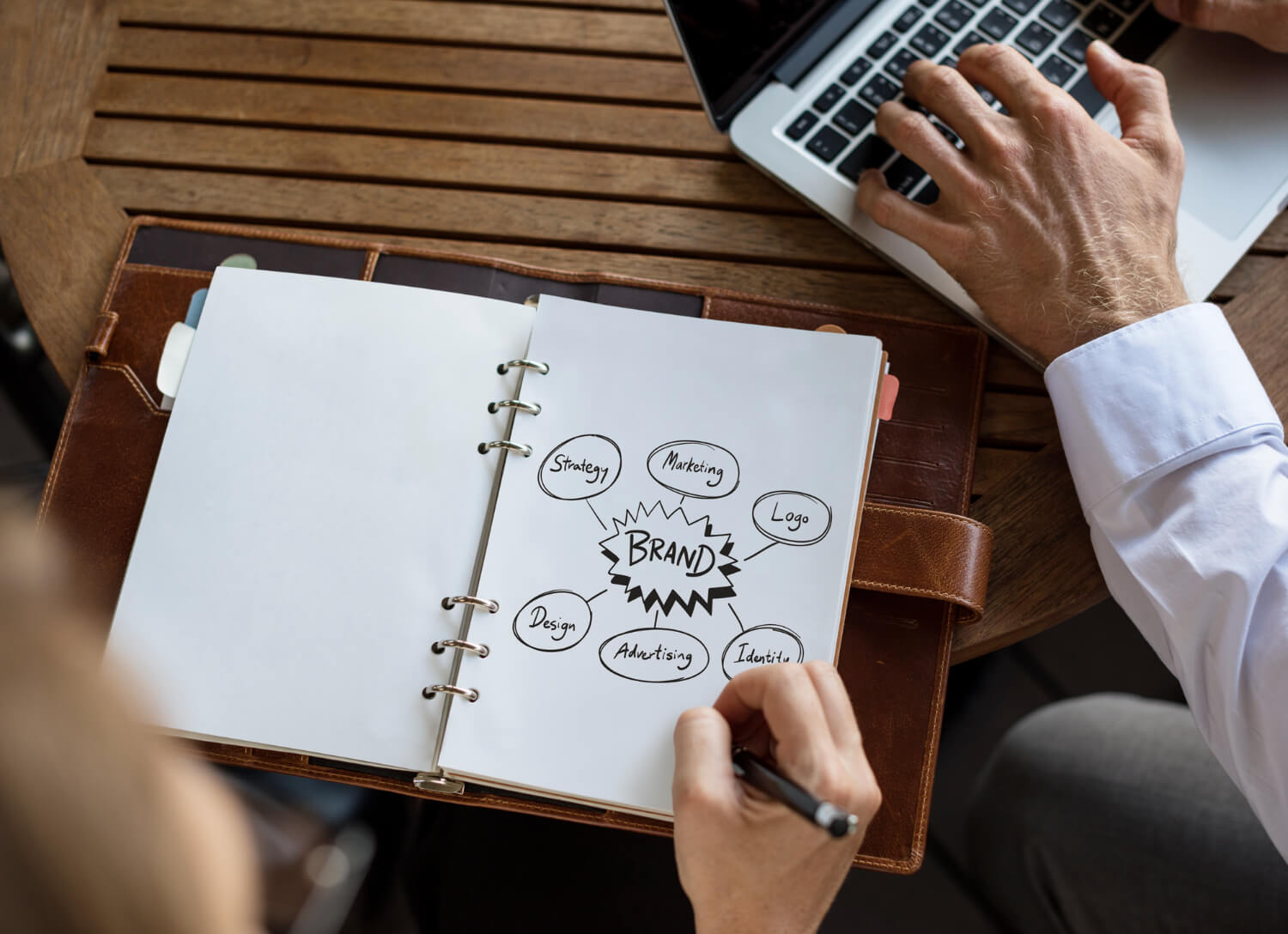
Self-paced learning accommodates all these styles. Platforms like YouTube or video-based courses are an excellent choice for visual learners. Audio learners can immerse themselves in podcasts, audiobooks, or apps like Blinkist that condense nonfiction books into bite-sized audio summaries. Meanwhile, hands-on learners might try interactive tools like coding practice sites or DIY project tutorials. Book enthusiasts can lean into e-books, traditional print, or curated reading lists on apps like Goodreads.
The ability to choose resources and methods that match your learning style makes self-paced learning more engaging and effective. Instead of struggling to adapt to someone else’s teaching style, you can focus on what helps you thrive.
Tools for Self-Paced Learning
The tools available for self-paced learning are more abundant than ever. Here are a few examples to help you get started:
- Online Courses: Websites like edX and LinkedIn Learning offer thousands of courses across business, technology, and personal development topics.
- Books: Self-help and personal development books are goldmines of knowledge. Popular titles like Atomic Habits by James Clear and The 7 Habits of Highly Effective People by Stephen Covey provide practical strategies for growth.
- Apps: Apps like Duolingo (for learning languages), Headspace (for mindfulness), and Todoist (for productivity) make growth accessible and convenient.
- Podcasts and Audiobooks: Platforms like Audible and Spotify have endless options for learning on the go.
- Practice Tools: Websites like Codecademy (programming) and Canva (design) provide hands-on learning opportunities.
The key is experimenting with different tools and finding what works best for you. Mix and match until you create a system that feels intuitive and satisfying.
Achieving Your Goals Through Self-Paced Learning
Because self-paced learning empowers you to take charge of your education, it naturally helps you stay motivated. You’re setting the goals, breaking them into smaller milestones, and celebrating each success along the way. This level of engagement makes the learning process feel rewarding, which keeps you coming back for more.

For example, imagine you want to learn Spanish for an upcoming trip. You might start with daily lessons on Duolingo, complement those with YouTube videos covering grammar tips, and even read a beginner’s Spanish book. By working consistently at your own pace, you’ll see progress over time, building your skills and confidence.
Self-paced learning not only brings tangible results; it also fosters a growth mindset. You learn to view challenges as opportunities, setbacks as lessons, and every new achievement proves that personal development is within your control.





-

 Fashion1 year ago
How Fashion Impacts Confidence and Self-Expression
-

 School1 year ago
Supporting Students Exposed To Trauma In Schools
-

 School2 years ago
Blended Learning: Combining Online And In-Person Training For Success
-
 School2 years ago
How Teachers and Counselors Can Support Students In Self-Guided Courses
-

 School2 years ago
Take Control of Your Growth: The Power Of Self-Paced Learning
-

 Health2 years ago
The Benefits Of Confidential Mental Health Support For Students
-

 School2 years ago
Creating A Safe Learning Environment For Students Facing Adversity
-

 Travel2 years ago
Best Destinations for Solo Travelers Looking for Relaxation and Growth