Health
The Joy of Recreation: Why Leisure is Essential for a Balanced Life

In today’s fast-paced world, recreation often takes a backseat to work, responsibilities, and the constant hustle of daily life. Yet, engaging in recreational activities is not just about having fun—it’s a vital part of maintaining physical, mental, and emotional well-being. From hiking and playing sports to painting, gardening, or simply reading a book, recreation can take many forms, each offering unique benefits. This article explores the value of recreation, its various forms, and why incorporating it into daily life is essential for a healthy and balanced lifestyle.
What is Recreation?
Recreation refers to activities people engage in during their free time that bring pleasure, relaxation, or refreshment. These activities are typically voluntary and can be active—like swimming or dancing—or passive, such as watching a movie or listening to music. The common thread is that recreational activities help individuals unwind, recharge, and enjoy life.
Unlike work or chores, recreation is pursued for intrinsic satisfaction. It’s about doing something because it brings joy or fulfillment, not because there is a financial or obligatory incentive. This aspect makes recreation an essential counterpart to the demands of work and stress.
The Physical Benefits of Recreation
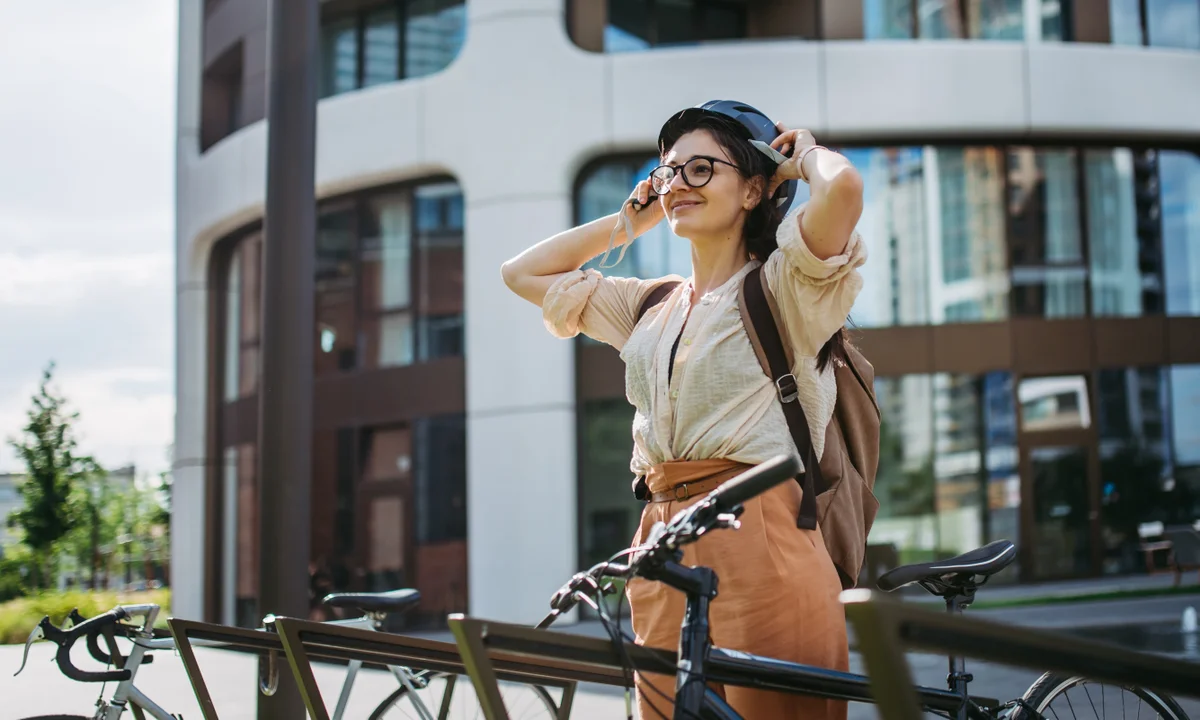
Recreation, especially when it involves physical activity, has undeniable health advantages. Activities like hiking, cycling, swimming, or playing sports increase cardiovascular fitness, enhance flexibility, and improve muscle tone. Regular physical recreation helps reduce the risk of chronic illnesses such as obesity, diabetes, heart disease, and hypertension.
Moreover, physical recreation encourages movement and reduces sedentary behavior, which is increasingly common due to the prevalence of screen-based activities. Even light recreational exercise, such as walking in a park or gardening, can have measurable benefits for overall health.

Mental and Emotional Benefits
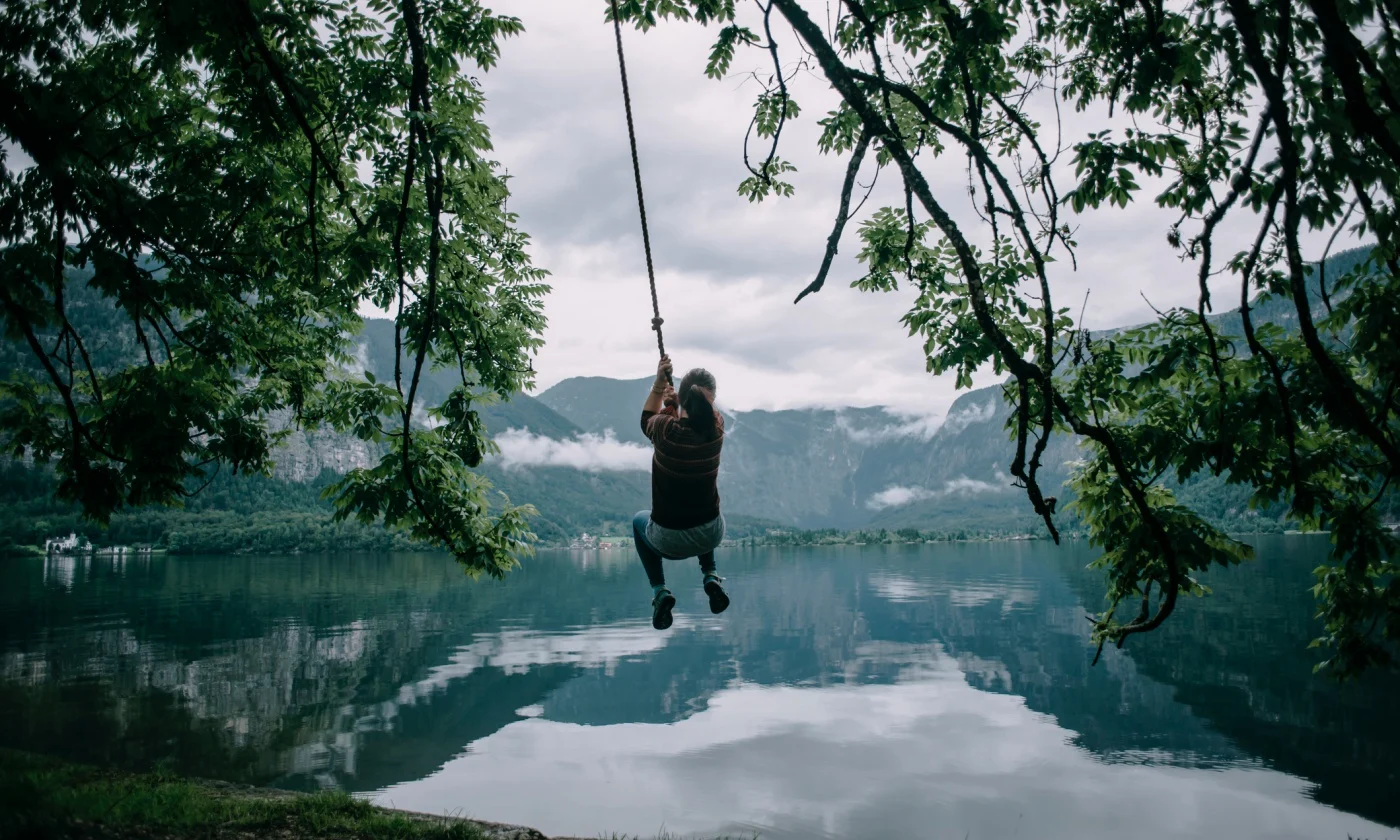
Recreation is just as important for mental health as it is for physical well-being. Taking time to enjoy hobbies or play can reduce stress, lower anxiety, and alleviate symptoms of depression. Engaging in leisure activities provides a mental break from daily worries and responsibilities, allowing the mind to relax and reset.
Creative recreational activities such as painting, writing, or playing an instrument stimulate the brain and promote self-expression. These outlets can enhance mood, boost self-esteem, and even improve cognitive functions like memory and concentration.
Additionally, spending time in nature—through recreational pursuits like camping or nature walks—has been shown to reduce cortisol levels, promote mindfulness, and improve overall psychological health.
Social Connection and Community Building
Many recreational activities offer opportunities for social interaction, which is crucial for emotional well-being. Whether it’s joining a local sports team, attending a dance class, or participating in a community gardening project, these activities help people connect, build friendships, and strengthen social bonds.
Recreational programs can also foster a sense of belonging and reduce feelings of isolation, especially for individuals in urban settings or those experiencing life transitions like retirement or relocation. Shared leisure experiences often create lasting memories and deepen relationships, enhancing life satisfaction.
Types of Recreational Activities
Recreation is diverse and can be tailored to individual interests and lifestyles. Here are some common types of recreational activities:
-
Outdoor Recreation
This includes activities like hiking, camping, fishing, rock climbing, and bird-watching. These often involve natural settings and combine physical activity with exposure to fresh air and scenic beauty. -
Sports and Fitness Recreation
Participating in team sports (e.g., soccer, basketball), solo sports (e.g., tennis, running), or fitness programs (e.g., yoga, Pilates, gym workouts) falls under this category. These promote physical health and often offer social engagement as well. -
Creative Recreation
Activities such as painting, photography, music, crafting, or cooking allow for artistic expression and mental stimulation. These are particularly therapeutic and suitable for all ages. -
Passive Recreation
Watching movies, reading, or playing video games can offer relaxation and entertainment. While less physically engaging, these still provide mental stimulation and pleasure. -
Cultural and Educational Recreation
Visiting museums, attending concerts, or taking language or dance classes enriches the mind and expands cultural awareness.
Barriers to Recreation
Despite the known benefits, many people struggle to make time for recreation. Common barriers include:
-
Busy schedules
Work demands and family responsibilities often leave little time for leisure. -
Financial constraints
Some recreational activities can be expensive, making them less accessible. -
Lack of awareness or motivation
People may not realize the value of recreation or feel too tired or unmotivated to participate. -
Limited local options
In some areas, especially rural or underdeveloped communities, recreational facilities and programs may be scarce.
Overcoming these barriers often requires intentional effort, such as scheduling leisure time, exploring low-cost or free activities, or seeking community programs and resources.
Integrating Recreation into Daily Life
Incorporating recreation into a daily or weekly routine doesn’t have to be complicated. Here are some tips:
-
Start small: Even 20 minutes of walking, reading, or stretching can have positive effects.
-
Choose activities you enjoy: You’re more likely to stick with a hobby that genuinely interests you.
-
Schedule it: Treat recreational time like any other important appointment.
-
Be open to new experiences: Trying different activities can lead to discovering new passions.
-
Get others involved: Sharing activities with friends or family can make them more enjoyable and sustainable.
Recreation and Work-Life Balance
One of the most overlooked aspects of maintaining work-life balance is intentional recreation. Taking breaks, going on vacations, and allowing time for hobbies help prevent burnout and increase productivity. Employers are also recognizing this, with many encouraging team-building activities, offering wellness programs, and supporting flexible work schedules.Incorporating recreation into life isn’t a luxury—it’s a necessity for a fulfilling and sustainable lifestyle.

Conclusion
Recreation is far more than just a way to pass the time. It’s a critical component of health, happiness, and overall life satisfaction. Whether you’re engaging in an intense sport or quietly painting at home, recreation provides a space to recharge, reflect, and reconnect—with yourself and others.
In a society that often glorifies busyness and constant productivity, making time for leisure can feel counterintuitive. But in reality, it’s one of the most effective ways to improve quality of life. By embracing recreation in its many forms, individuals can lead richer, healthier, and more balanced lives.